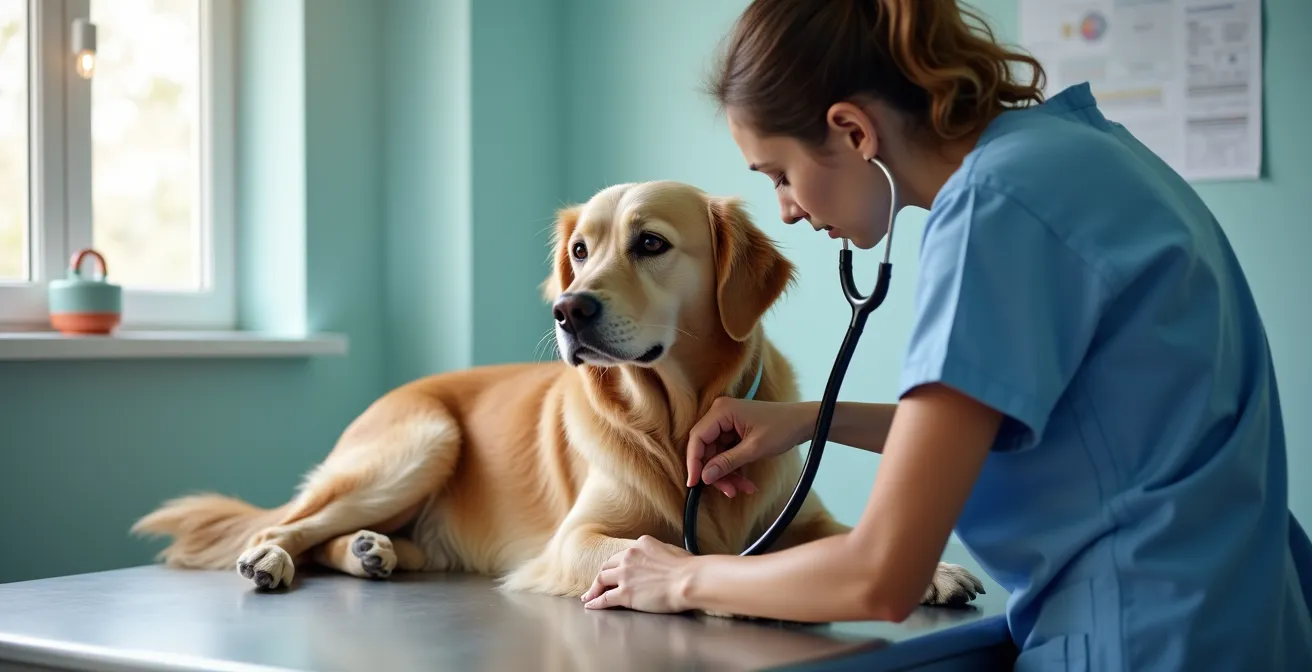
The routine vet exam isn’t a simple list of checks; it’s a complex diagnostic process where every action is a deliberate search for hidden health issues.
- Your vet isn’t just “feeling around”; they are palpating lymph nodes as early warning signs for infection, inflammation, or even cancer.
- Pre-anesthetic blood work isn’t an upsell; it’s a crucial safety check to ensure your pet’s organs can safely process anesthesia.
Recommendation: Shift your perspective from a passive observer to an active partner by understanding the “why” behind your vet’s actions and preparing a concise medical history for your pet.
The exam room door closes, and the silence is punctuated only by the quiet hum of a computer and your own anxious breathing. Your beloved pet is on the table, and for the next 20 minutes, a flurry of activity unfolds. Your veterinarian is touching, listening, and looking, but the purpose behind each action can feel like a mystery. This gap in understanding is a major source of anxiety for many pet owners. You’re left wondering: “Did they check everything? Why are they pushing for that expensive test? Are they just rushing to get to the next appointment?”
Many owners believe a checkup is just about updating vaccines and getting a weight. But that’s only the surface. The real value lies in the unseen, in the diagnostic narrative your vet is piecing together from dozens of small observations. It’s a process of reading subtle clues—the texture of the coat, the color of the gums, the slightest change in a lymph node’s size—to catch problems long before they become emergencies. Your anxiety often stems from feeling excluded from this narrative, left to guess what’s happening behind the professional calm.
But what if you could break down that barrier? What if you understood that the quick feel of the neck isn’t random, but a strategic check for signs of disease? This guide is designed to pull back the curtain. We’re not just going to list what happens in an exam; we are going to translate it. By understanding the “why” behind each step, you can transform your anxiety into empowered partnership, becoming a more effective advocate for your pet’s health and wellbeing.
This article will walk you through the critical components of a thorough veterinary exam. We’ll explore why certain tests are vital, how to prepare your pet and their history for a more effective visit, and how to spot the difference between an efficient exam and a dangerously rushed one.
Summary: Decoding Your Pet’s Veterinary Checkup
- Why your vet checks the lymph nodes even when you came for a vaccination?
- How to train your cat to accept handling before the vet visit without scratches?
- Pre-anesthetic Blood Work: Necessary Safety Net or Upselling Tactic?
- The “Speedy Exam” Red Flag: Signs your vet rushed the physical assessment
- How to organize your pet’s medical history so the vet sees the full picture in 5 minutes?
- Why postponing blood work for a “healthy” pet hides stage 1 kidney failure?
- Lip Licking: Anticipation of food vs Sign of extreme anxiety?
- Why Spending on Preventive Veterinary Medicine Saves You $2,000 in Long-Term Emergency Costs?
Why your vet checks the lymph nodes even when you came for a vaccination?
When you’re in for a routine vaccine, it can seem strange when your veterinarian spends time carefully feeling under your pet’s jaw, in front of their shoulders, or behind their knees. This isn’t a random pat; it’s a crucial diagnostic step called lymph node palpation. Lymph nodes are small, bean-shaped glands that are a fundamental part of the immune system. Think of them as the body’s security checkpoints. When the body is fighting an infection, inflammation, or even cancer, these nodes are often the first to react by swelling or changing in texture.
A simple dental infection, an allergic reaction, or a tick-borne disease can cause localized lymph nodes to enlarge. By systematically checking them, we can pick up on these issues early. More seriously, some cancers like lymphoma first present as firm, enlarged lymph nodes. If we feel an abnormality during a routine check, it triggers a deeper investigation. This can be the first step toward advanced diagnostics that make a life-or-death difference. For example, a 2024 veterinary case study on advanced imaging highlighted how PET/CT scans confirmed cancer had spread to lymph nodes in a dog, which was first suspected during a physical exam.
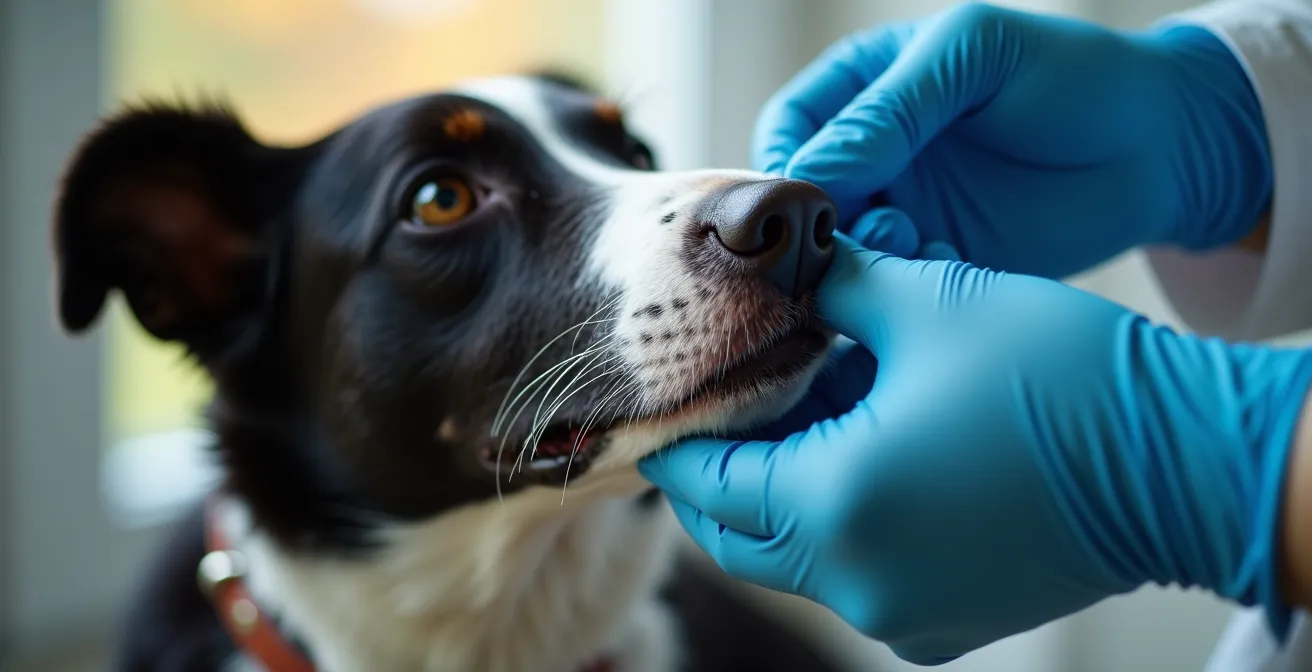
The brief moment your vet takes to palpate these nodes is one of the most cost-effective and powerful screening tools we have. It turns a simple “vaccine visit” into a comprehensive health screening. Catching a change in a lymph node is a perfect example of how the physical exam can reveal subtle clues of a much larger problem, giving us the chance to act before a condition becomes severe and costly.
How to train your cat to accept handling before the vet visit without scratches?
For many cat owners, the dread of a vet visit begins long before they enter the clinic. The struggle to get a terrified cat into a carrier, followed by an exam where the cat is defensive and impossible to handle, is stressful for everyone. This is where the concept of cooperative care becomes a game-changer. It involves training your cat to not just tolerate, but actively participate in their own handling and care. This process reduces fear, anxiety, and stress, making vet visits safer and more thorough.
Training starts at home, in a low-stress environment. The goal is to build positive associations with the types of handling they’ll experience at the vet. This isn’t about dominance; it’s about consent and trust. You teach your cat that they have a choice, and you listen to their signals. A purr or leaning in is a “yes,” while a twitching tail or flattened ears is a “no.” By pairing gentle touches with high-value rewards like lickable treats, you slowly desensitize them to having their paws, ears, and mouth examined.
As the American Association of Feline Practitioners notes, this preparation is vital because a calm pet allows for a much better exam. In their educational materials for cat owners, they state:
During physical examinations, veterinarians can often detect conditions that may affect your cat’s health long before they become a major issue so they can be managed or cured before they become painful or more costly.
– American Association of Feline Practitioners, Educational Videos for Cat Caregivers
A successful, scratch-free exam for a cat often depends more on the weeks of preparation at home than on the handling skills of the vet. Start with short, positive sessions and gradually increase the duration. This investment of time pays huge dividends in your cat’s long-term health and your own peace of mind.
- Carrier Desensitization: Leave the carrier in your living space with the door open. Place comfy bedding, toys, and occasional treats inside to turn it from a cage into a safe den.
- Start Small: Begin with 5-second “mock exams.” Gently touch a paw while offering a favorite treat. The next day, try lifting their lip for a moment to see their teeth.
- Use Pheromones: Spraying a synthetic feline pheromone like Feliway on towels and in the carrier 30 minutes before practice or travel can significantly reduce anxiety.
- Continuous Rewards: Offer a lickable treat *during* the handling, not just after. This creates a direct, positive association with the touch itself.
Pre-anesthetic Blood Work: Necessary Safety Net or Upselling Tactic?
You bring your pet in for a routine procedure like a dental cleaning, and the vet recommends “pre-anesthetic blood work.” For an anxious owner, this can immediately trigger suspicion. Is this really necessary for my young, healthy pet, or is it just an expensive add-on? The candid answer is that it’s one of the most important safety nets in modern veterinary medicine. Anesthesia is incredibly safe, but that safety is built on knowing exactly what’s happening inside your pet’s body.
A pet can look perfectly healthy on the outside while masking underlying issues with their liver or kidneys—the primary organs that process and eliminate anesthetic drugs. If these organs aren’t functioning at 100%, a standard anesthetic dose could be difficult for them to handle, increasing risks or prolonging recovery. A simple blood panel acts as an internal organ function report card. It tells us if the key systems are ready for the procedure. If we find an issue, we don’t necessarily cancel the procedure. Instead, we can adjust the anesthetic protocol, choosing different drugs, altering dosages, or providing extra IV fluid support to protect those organs.
This screening establishes a clinical baseline for your pet. A normal result today is invaluable information for the future. If your pet becomes sick in a year, we can compare new blood work to this healthy baseline to spot changes more quickly. The following table breaks down what some of these key tests measure and why they are critical for anesthetic safety, as detailed in wellness guidelines from sources like VCA Animal Hospitals.
| Blood Value | What It Measures | Why It Matters for Anesthesia |
|---|---|---|
| ALT (Alanine Aminotransferase) | Liver enzyme levels | High levels indicate liver stress; different anesthesia drugs may be chosen |
| BUN/Creatinine | Kidney function | Elevated values suggest kidney issues; anesthetic drugs processed by kidneys need adjustment |
| Complete Blood Count (CBC) | Red/white blood cells, platelets | Anemia or clotting issues affect anesthesia risk and recovery |
| Thyroid Hormone (T4) | Metabolic rate | Abnormal levels affect drug metabolism and cardiovascular response |
Far from an upsell, this blood work is a fundamental part of a veterinarian’s commitment to minimizing risk. It’s a small investment in safety and information that empowers us to provide the safest possible care for your pet.
The “Speedy Exam” Red Flag: Signs your vet rushed the physical assessment
A common worry for pet owners is the “speedy exam.” An experienced veterinarian can be incredibly efficient, but there’s a fine line between efficiency and a rushed, incomplete assessment. A thorough physical exam is systematic and comprehensive, even if it’s performed quickly. Knowing what should be included allows you to be a better advocate and to feel confident that your pet has been properly evaluated.
A truly thorough exam is a “nose-to-tail” process. It should feel like a logical sequence, not a series of random pokes and prods. Your vet should be using their hands (palpation) to feel the abdomen for any signs of pain, masses, or organ enlargement. They should use a stethoscope (auscultation) on both sides of the chest to listen carefully to the heart and lungs, assessing for murmurs, arrhythmias, or abnormal lung sounds. They should be looking, too—using an otoscope to check deep into the ear canals and an ophthalmoscope to examine the eyes for signs of cataracts, glaucoma, or retinal disease.
Communication is key. An efficient vet often narrates their findings as they go: “Heart and lungs sound clear,” “Teeth look great for her age,” or “I’m just feeling her lymph nodes here, and they feel normal.” A rushed vet, in contrast, may be silent, skip steps, or fail to record basic vital signs like temperature, pulse, and respiration. If you leave the room feeling like you have no new information and aren’t sure what was actually checked, it might be a red flag. It’s always appropriate to ask clarifying questions like, “Could you just confirm if her ears looked okay?” or “What were you feeling for in her belly?”
Your checklist for a thorough exam
- Did the vet use a stethoscope on both sides of the chest to listen to the heart and lungs?
- Was a full abdominal palpation performed to check the internal organs?
- Were the eyes, ears, and mouth examined, ideally with specific instruments like an otoscope?
- Did the vet palpate the key lymph node areas (under the jaw, in front of the shoulders, behind the knees)?
- Were basic vital signs (temperature, pulse, respiration) measured and communicated or recorded?
How to organize your pet’s medical history so the vet sees the full picture in 5 minutes?
A 20-minute appointment slot flies by. As veterinarians, we’re trying to perform a thorough exam, listen to your concerns, form a plan, and explain it all clearly. The single most helpful thing an owner can do to make this process more effective is to come prepared with a concise, organized summary of their pet’s recent history. Rummaging through a folder of jumbled receipts or trying to recall the name of a medication on the spot eats up precious diagnostic time.
The best approach is the “Bullet-Point Briefing.” Before your visit, take five minutes to distill the essential information onto a notecard or a note on your phone. This isn’t about writing a novel; it’s about providing the key data points we need to make informed decisions. Start with the single most important reason for your visit. Then, document any changes in what I call the “Big Three”: appetite, thirst/urination, and energy level. These are critical indicators of overall health.
Finally, have a clear list of all current medications and supplements, including the exact dosages and how often you give them. As VCA Animal Hospitals advises, it’s also helpful to “prepare yourself with some basic information, such as the brand and type of food that your dog eats… and whether anybody in the family has noticed any problems.” Showing is also better than telling. If your pet has a strange cough or a subtle limp, a 15-second video of the symptom at home is invaluable, as pets often don’t display these signs in the clinic. And if you’ve been asked to bring a stool sample, ensure it’s fresh (collected within 12 hours) to get the most accurate results for parasite checks.
- The One-Page Resume: For new vet visits or specialist consultations, create a single page with your pet’s name, age, breed, known chronic conditions (e.g., “hypothyroidism, diagnosed 2022”), past surgeries with dates, and any known drug allergies.
- The “Big Three” Report: Note any changes, even minor ones. “Drinking a little more water than usual.” “Seems less interested in his evening walk.”
- Medication List: Don’t just say “thyroid pill.” Write “Levothyroxine 0.4mg, one tablet twice a day.” Include any supplements, flea/tick preventatives, or heartworm medication.
Why postponing blood work for a “healthy” pet hides stage 1 kidney failure?
It’s one of the most common and understandable hesitations from a pet owner: “She seems perfectly healthy. Why does she need blood work?” The difficult truth is that many serious diseases, particularly chronic kidney disease, are masters of disguise. Pets are evolutionary programmed to hide signs of illness, and the kidneys have a tremendous amount of reserve capacity. This means they can continue doing their job even after they’ve sustained significant damage.
In fact, veterinary research reveals that kidneys can lose up to 75% of their function before a pet starts showing any of the classic outward signs we associate with kidney problems, like increased thirst or weight loss. By the time you notice these symptoms, the disease is already in an advanced stage. This is why waiting for symptoms to appear is a reactive, and often tragic, approach to your pet’s health. We are left trying to manage a crisis rather than prevent one.
This is where routine wellness blood work becomes so critical. In recent years, a revolutionary biomarker called SDMA (Symmetric Dimethylarginine) has changed the game. Traditional kidney markers like BUN and Creatinine only become elevated after that 75% function loss. SDMA, however, is a much more sensitive test that can detect a decrease in kidney function when as little as 25% of function is lost. This allows us to identify Stage 1 kidney disease months or even years earlier than was previously possible, while your pet still looks and feels completely healthy.
Catching the disease at this early stage is a massive victory. It allows us to make simple, powerful interventions—often just a change in diet—that can dramatically slow the progression of the disease and add years of quality life for your pet. Postponing blood work on a “healthy” pet isn’t saving money; it’s missing the single best opportunity to intervene early and change the outcome of one of the most common diseases we see in aging cats and dogs.
Lip Licking: Anticipation of food vs Sign of extreme anxiety?
A pet’s body language is their primary method of communication, and in the stressful environment of a vet clinic, it’s a language we must listen to carefully. A single, seemingly minor gesture like a lip lick can mean vastly different things depending on the context. An owner might see their dog lick their lips and think, “He’s hoping for a treat!” But in the exam room, that same action is often a critical stress signal we, as veterinarians, must recognize and respect.
The key is to look for “cluster signals”—multiple body language cues happening together. A single lip lick before you pull out the treat jar is normal anticipation. However, repetitive lip licking, often paired with a yawn when the pet isn’t tired, is one of the first signs of rising anxiety. If you then see the whites of their eyes (a “whale eye”), a tucked tail, or a lowered body posture, the pet is clearly communicating distress. Ignoring these early, subtle clues can lead to an escalation in fear, potentially resulting in a growl or a snap.
As Dr. Heather Berst from Zoetis Petcare points out, “Your veterinarian is trained to detect the subtle clues that can indicate a problem or illness.” This includes behavioral clues. A good veterinary team will notice these signals and adjust their approach. This might mean pausing the exam for a moment, using a different handling technique, or suggesting a “fear-free” approach with pre-visit medications for future appointments. Your role as an owner is to advocate. You know your pet best. If you see them repeatedly lip licking, you can say, “I see he’s getting anxious; can we take a 10-second break?”
Understanding this distinction is part of the partnership. It’s not just about the vet’s actions, but about a shared observation of your pet’s emotional state. Reading these signals correctly allows the entire team—vet, technician, and owner—to work together to make the experience as positive as possible.
- Anticipation: A single lip lick when food is present. Body is relaxed.
- Early Stress: Repetitive lip licking, yawning when not tired. May turn head away.
- Escalating Anxiety: Lip licking plus “whale eye,” panting, or a tightly closed mouth.
- Clear Distress: All of the above, plus a tucked tail, lowered body, and possibly trembling.
Key takeaways
- A routine exam is a proactive search for hidden diseases, not just a vaccination appointment.
- Pre-anesthetic blood work is a critical safety measure that checks organ function and establishes a vital health baseline.
- Your preparation, including cooperative care training and a concise medical history, directly impacts the quality of the vet visit.
Why Spending on Preventive Veterinary Medicine Saves You $2,000 in Long-Term Emergency Costs?
The conversation around veterinary costs often focuses on the price of a single visit or procedure. This short-term view misses the most important financial equation in your pet’s life: the staggering difference in cost between prevention and emergency treatment. Every dollar spent on routine, preventive care is an investment that can save you thousands of dollars—and immense heartache—down the road. This isn’t an opinion; it’s a financial reality backed by data.
Consider dental health. An annual professional cleaning might seem like a significant expense. But when you compare that to the cost of emergency surgery for a jaw fracture caused by severe periodontal disease, the savings are obvious. The same logic applies to vaccinations, parasite prevention, and routine blood work. Preventing a disease is always, without exception, less expensive than treating it once it has become a full-blown crisis.
This isn’t just about saving money; it’s about preserving your pet’s quality of life. The emergency treatments listed below are not only expensive but also involve significant pain, stress, and lengthy recovery periods for your pet. A Parvovirus hospitalization is a traumatic experience. Managing late-stage kidney disease involves frequent vet visits and a decline in your pet’s wellbeing. The “cost” of emergency care is measured in more than just dollars. The following table illustrates the dramatic financial benefit of a preventive investment strategy.
| Preventive Care | Annual Cost | Emergency Treatment Alternative | Emergency Cost | Savings |
|---|---|---|---|---|
| Annual Dental Cleaning | $600 | Emergency jaw fracture surgery from periodontal disease | $3,500 | $2,900 |
| Lyme vaccine & tick prevention | $200 | Treatment for Lyme nephritis (kidney failure) | $4,000+ | $3,800+ |
| Parvovirus vaccination | $75 | Emergency parvovirus hospitalization | $2,000-3,000 | $1,925+ |
| Regular blood work | $250 | Late-stage kidney disease management | $3,000+/year | $2,750+ |
By viewing routine checkups, diagnostics, and preventive treatments not as expenses, but as the most effective form of health insurance you can buy, you fundamentally change the script from reactive crisis management to proactive, loving care.
Frequently asked questions about veterinary checkups
How long should a routine veterinary exam take?
The length varies based on the pet’s health status and age. A healthy adult pet’s exam might be relatively quick if they’ve been seen recently, while senior pets or those with health concerns typically require longer, more detailed assessments of 20-30 minutes.
What’s the difference between a fast but thorough exam and a rushed one?
An experienced vet might work quickly but will systematically check all areas and narrate findings as they go (‘Heart and lungs sound clear, great teeth for his age…’). A rushed exam skips components like abdominal palpation or fails to communicate any findings, leaving you in the dark.
Is it okay to ask my vet to slow down or explain what they’re checking?
Absolutely. A good veterinarian welcomes questions. Use polite scripts like: ‘Could you just confirm if her ears looked okay? I’ve been worried about them’ or ‘Before we finish, could you show me what you were feeling for in her belly?’ This shows you are an engaged partner in your pet’s care.