Pet Accessories
Walking into a pet store or browsing online retailers can feel overwhelming. Shelves overflow with colorful toys, sleek carriers, elaborate cat towers, and gadgets promising to solve every pet problem. Yet behind this dizzying array lies a simple truth: the right accessories aren’t about abundance—they’re about matching function to your pet’s actual needs. Whether you’re bringing home a new companion or reassessing what your longtime friend truly requires, understanding the purpose and quality markers of pet accessories transforms shopping from guesswork into confident decision-making.
This comprehensive resource breaks down the essential categories of pet accessories, from daily-use items like collars and bowls to specialized gear for travel, outdoor adventures, and species-specific needs. You’ll learn how to distinguish necessary equipment from marketing hype, recognize safety red flags, and select products that genuinely enhance your pet’s health, comfort, and quality of life.
Why the Right Accessories Matter for Your Pet’s Well-being
Pet accessories serve purposes far beyond aesthetics or convenience. A properly fitted harness distributes pressure evenly during walks, preventing tracheal damage that cheap collars can cause in pulling dogs. A thoughtfully placed water fountain encourages hydration in cats—creatures whose desert-adapted ancestors evolved with low thirst drives, making them prone to kidney disease and urinary crystals without adequate water intake.
The difference between a well-chosen accessory and a poorly selected one can be measured in veterinary bills, behavioral problems, and your pet’s daily comfort. A scratching post positioned in the wrong location becomes ignored furniture, while your sofa suffers. A travel crate installed incorrectly transforms into a projectile during sudden braking. Understanding the “why” behind each category helps you evaluate products critically rather than relying on packaging claims or price tags alone.
Essential Daily Gear: Building Your Foundation
Every pet owner needs a core toolkit of accessories that facilitate safe daily activities and basic care. These foundational items deserve careful selection because your pet will interact with them constantly, often for years.
Collars, Leashes, and Identification
The collar-and-leash combination represents your primary safety system during outdoor time. When selecting collars, consider your pet’s size, strength, and behavioral tendencies. Flat buckle collars work well for trained dogs who walk calmly, while front-clip harnesses provide better control for pullers without choking risks. Cats typically require breakaway collars that release under pressure to prevent strangulation if snagged.
Leash selection involves matching length and material to your training goals. Standard six-foot leashes offer versatility, while retractable leashes—though popular—can create control problems and pose injury risks if the thin cord wraps around limbs. Material matters too: leather develops comfortable flexibility over time but requires maintenance, while nylon resists weather and cleans easily.
Identification tags remain your pet’s ticket home if separation occurs. Microchips provide permanent identification, but visible tags enable immediate contact. Include your current phone number and consider adding “microchipped” to prompt finders to scan for additional information.
Material Safety and Durability Considerations
Not all pet products undergo rigorous safety testing. When evaluating any accessory, examine these critical factors:
- Non-toxic materials: Verify that plastics are BPA-free and that paints or dyes meet safety standards, especially for items your pet will chew or lick regularly
- Appropriate sizing: Small detachable parts pose choking hazards; ensure toys and accessories match your pet’s size and jaw strength
- Durability ratings: Heavy chewers require indestructible-grade materials to prevent ingestion of torn pieces
- Wear indicators: Know when to replace items—frayed leashes, cracked plastic bowls, or flattened bed cushions compromise function and safety
Enrichment Through Chewing and Play
Toys aren’t frivolous extras—they’re behavioral management tools that channel natural instincts into appropriate outlets. Without proper enrichment, pets develop destructive habits, anxiety, and physical health issues from insufficient activity.
Understanding Your Pet’s Chewing Needs
Dogs don’t chew your furniture out of spite; they chew because their biology demands it. Puppies relieve teething discomfort, adult dogs maintain dental health and jaw strength, and anxious pets self-soothe through repetitive oral activity. The key lies in redirecting this hardwired behavior to approved items rather than fighting instinct.
Identify your pet’s chewing motivation—boredom, teething, or anxiety—to select appropriate toys. A puppy needs softer rubber toys that massage sore gums, while a power-chewer requires ultra-durable nylon or natural antlers. Anxious chewers benefit from puzzle toys that combine mental stimulation with oral satisfaction.
Choosing Safe and Durable Toys
The pet toy industry lacks strict regulation, making informed selection crucial. Look for products labeled with durability ratings matched to your pet’s chewing intensity. Avoid toys with easy-to-shred components, small squeakers that can be swallowed, or toxic materials.
Supervise initial play sessions with new toys to assess destruction potential. Even “indestructible” toys eventually wear down—inspect regularly for cracks, loose pieces, or sharp edges that signal replacement time. For determined chewers, consider applying bitter-tasting deterrent sprays to off-limits household items while making approved chew toys more appealing through positive reinforcement.
Hydration Solutions for Optimal Health
Water bowls seem straightforward, yet innovative hydration accessories address specific physiological needs. Pet water fountains have gained popularity not as gimmicks but as tools that leverage behavioral instincts to increase water consumption.
Cats instinctively prefer moving water—an evolutionary adaptation that taught their ancestors that flowing water is fresher and safer than stagnant pools. Fountains capitalize on this preference, encouraging cats to drink more frequently and helping prevent the chronic dehydration that contributes to kidney disease and urinary crystals. Dogs also benefit, particularly those prone to urinary tract issues.
When comparing fountain options, evaluate these factors:
- Material composition: Stainless steel and ceramic resist bacterial growth better than plastic and won’t cause feline acne from contact allergies
- Noise levels: Pump quality determines whether the fountain provides soothing water sounds or disruptive buzzing
- Cleaning accessibility: Complex designs trap debris in hard-to-reach crevices; prioritize dishwasher-safe components
- Placement strategy: Position away from food bowls (cats prefer separated resources) and in quiet locations where pets feel comfortable lingering
Outdoor Adventures and Weather Protection
Pets accompanying you on hikes, camping trips, or daily walks in extreme weather need specialized gear that goes beyond basic collars and leashes.
Thermal Protection for All Seasons
Not all pets require clothing, but certain breeds and conditions make thermal protection essential. Short-coated dogs, small breeds with high surface-area-to-volume ratios, senior pets with reduced circulation, and any animal exposed to temperatures below their comfort threshold benefit from insulated coats or cooling vests.
Winter gear should cover the torso without restricting movement, with water-resistant outer layers for wet conditions. Summer cooling vests use evaporative technology to prevent overheating during strenuous activity. For paws exposed to hot pavement, ice, or rough terrain, protective boots prevent burns, cuts, and irritation—though proper fitting requires gradual acclimation since most pets initially resist footwear.
Visibility and Safety Features
Low-light conditions demand visibility enhancements for pet safety. Reflective strips on collars, harnesses, and vests make pets visible to drivers and cyclists. For off-leash adventures in safe areas, LED collar lights provide 360-degree visibility. Backpacks designed for dogs distribute weight properly for carrying their own water, food, and waste bags on extended outings, but require conditioning to build comfort with the added weight and prevent chafing.
Safe Travel and Transport Systems
Vehicle travel poses serious risks without proper restraint systems. During accidents, unrestrained pets become projectiles subject to the same impact forces as human passengers. A 60-pound dog in a 30-mph collision experiences forces equivalent to 2,700 pounds—easily fatal to the pet and any passenger struck.
Several restraint options exist, each with specific applications:
- Crash-tested harnesses: Attach to seatbelt systems, keeping pets secure while allowing position changes; verify third-party crash testing rather than relying on marketing claims
- Hard-sided crates: Properly secured crates protect pets during impacts and prevent driver distraction; must be anchored to prevent the crate itself from becoming a projectile
- Vehicle barriers: Keep pets confined to cargo areas in SUVs and wagons, though these prevent ejection rather than securing the pet against impact forces
Beyond crash protection, monitor cabin temperature religiously. Pets overheat faster than humans, and heatstroke can occur even in moderately warm weather in parked vehicles. Plan regular breaks during long trips—every two hours minimum—for bathroom needs, water access, and movement.
Feline-Specific Furniture and Vertical Spaces
Cats experience their environment three-dimensionally, utilizing vertical space that dogs and humans largely ignore. Accessories that accommodate this need transform small apartments into enriching territories.
Cat Trees and Climbing Structures
Cat trees aren’t decorative indulgences—they address biological imperatives. Cats establish social hierarchies through height positioning, with dominant cats claiming higher perches. Even single-cat households benefit, as vertical access provides psychological security through elevated vantage points where cats can survey their domain.
When selecting cat trees, prioritize stability over height alone. Wobbly structures get abandoned quickly, as cats won’t trust unstable platforms. Look for wide, heavy bases or wall-anchoring options. Ensure platforms are large enough for your cat’s adult size to stretch and turn comfortably. Multiple access routes prevent “dead end” situations if multiple cats use the structure.
Scratching Furniture That Works
Scratching isn’t vandalism—it’s essential maintenance. Cats scratch to shed claw sheaths, mark territory through scent glands in their paws, and stretch shoulder and back muscles. The solution isn’t eliminating scratching but redirecting it to appropriate surfaces.
Scratching post effectiveness depends on understanding feline biomechanics. Posts must be tall enough for full-body stretches—typically 30 inches minimum for average cats. The base requires sufficient weight or anchoring to resist vigorous scratching forces without tipping. Material matters too: sisal fabric (not rope, which catches claws) and corrugated cardboard are popular, but individual cats have preferences worth testing.
Strategic placement determines usage. Position scratching furniture near sleeping areas where cats naturally stretch upon waking, and adjacent to previously targeted furniture. Replace or refresh surfaces when worn flat—cats need resistance to be satisfied by the experience.
Harmonizing Pet Accessories with Your Home
Functional pet accessories needn’t clash with your interior design. The market increasingly offers products that blend aesthetics with utility, recognizing that pet owners want their spaces to accommodate animal needs without resembling pet stores.
Modern cat furniture incorporates clean lines, neutral tones, and materials like wood and felt that complement contemporary décor. Dog beds now come in designs mimicking mid-century furniture pieces. Elevated feeding stations serve arthritic pets’ needs while doubling as attractive side tables.
When integrating pet furniture, consider traffic flow and spatial mechanics. Ensure adequate clearance around cat trees for jumping approaches. Anchor tall pieces to walls in earthquake-prone regions or homes with rambunctious play. Choose surface materials that provide traction—slippery platforms cause hesitation and potential falls.
The ultimate goal is creating environments where both human and animal inhabitants thrive comfortably. This requires moving beyond viewing accessories as separate pet items and instead seeing them as integral components of a shared living space designed with all occupants’ needs in mind.
Selecting pet accessories becomes intuitive when you understand the biological needs, safety requirements, and behavioral drivers behind each category. Start with essentials that address daily safety and health, then expand to enrichment items based on your individual pet’s personality and your lifestyle. Quality trumps quantity—a few well-chosen, durable accessories that genuinely serve their intended purposes provide far more value than collections of unused impulse purchases.
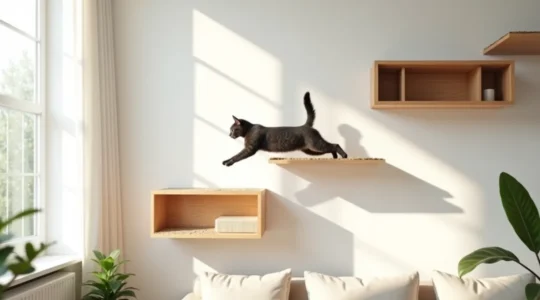
How to Design a Cat Wall Superhighway That Looks Stylish in Your Living Room?
The key to a stylish cat wall is treating it as a bespoke architectural installation, not just pet furniture. Success depends on understanding feline ergonomics for spacing and kinetic loads for secure mounting. Aesthetic integration is achieved by selecting materials…
Read more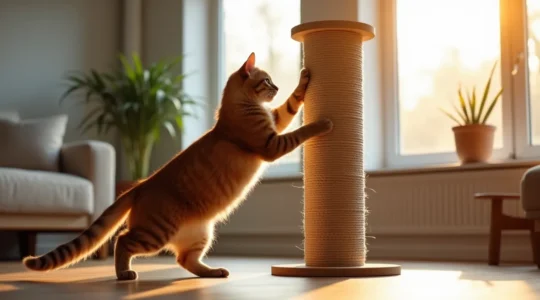
Wobbly Cat Trees: Why Instability Causes Your Cat to Ignore Expensive Furniture?
Your cat ignores its expensive tree not out of spite, but due to critical engineering flaws that compromise its sense of security and biological needs. A stable, tall structure is a non-negotiable biomechanical requirement for stretching and climbing, not a…
Read more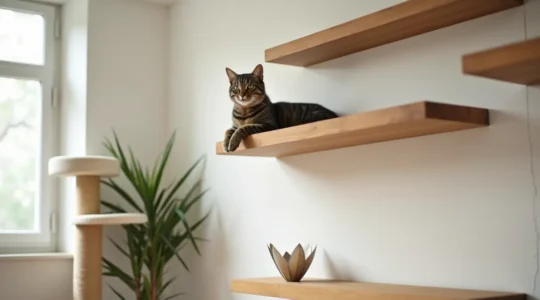
Why Vertical Territory Is More Important Than Floor Space for Indoor Cats?
The belief that a small apartment is unsuitable for a cat is based on a fundamental misunderstanding of feline needs; happiness isn’t measured in square feet, but in cubic feet. Vertical space directly impacts a cat’s psychological well-being by providing…
Read more
Car Safety for Pets: Why Your Seatbelt Harness Might Fail in a Crash?
Most pet ‘safety’ harnesses sold in stores are marketing ploys that will fail catastrophically in a crash, creating a false and deadly sense of security. Basic physics dictates that even a small, unrestrained pet becomes a high-impact projectile with lethal…
Read more
Hiking with Dogs: Is Your Pet’s Gear Built to Fail on the Trail?
Most off-the-shelf dog hiking gear isn’t just inadequate; it’s designed with critical failure points that can ruin a hike and risk your dog’s safety. Proper harness fit is not about comfort, but about preventing gait inhibition and serious shoulder injury….
Read more
Essential Pet Gear Choices: What You Actually Need vs. What’s Just Hype
The safest and most economical pet products are rarely the most heavily marketed; true value lies in material integrity and behavioral impact, not flashy features. Most “upgraded” pet products introduce unnecessary failure points or create behavioral problems. Simple, single-material items…
Read more
Why Switching to a Water Fountain Can Save Your Male Cat from a Blockage?
A water fountain is your single most powerful tool to prevent a life-threatening urinary blockage in your male cat. It taps into their evolutionary instinct for moving water, drastically increasing hydration and promoting healthy urinary flow. Material choice (stainless steel…
Read more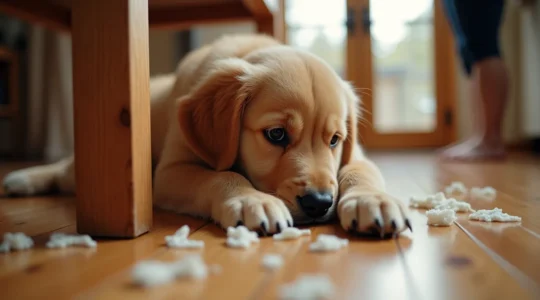
How to Stop Your Dog From Chewing Furniture: A Practical Management Guide
Destructive chewing is a solvable management problem, not a sign of a “bad dog.” The core issue is almost always an unmet need for mental stimulation, physical release, or anxiety management. Effective solutions focus on redirecting the natural urge to…
Read more