Animal Care
Caring for an animal extends far beyond providing food, water, and shelter. Modern animal care represents a sophisticated blend of preventive medicine, proactive health monitoring, and informed decision-making that directly impacts both the quality and length of your companion’s life. Yet many owners approach this responsibility reactively, addressing problems only after symptoms become obvious—a pattern that often leads to more complex health challenges and significantly higher costs.
The landscape of animal care has evolved dramatically, shifting from crisis management to prevention-focused wellness. This comprehensive approach encompasses everything from strategic vaccination protocols and parasite prevention to dental hygiene, mobility management, and specialized care for aging animals. Understanding these interconnected aspects empowers you to become an effective health advocate for your animal, building a partnership with veterinary professionals that ensures optimal outcomes at every life stage.
Preventive Veterinary Care: Building a Foundation for Lifelong Health
Preventive care represents the cornerstone of responsible animal ownership, yet its value often remains misunderstood until a crisis strikes. The financial and health return on proactive veterinary care consistently outweighs the costs of delayed intervention by substantial margins.
The Hidden Economics of Prevention
Consider this comparison: a routine wellness exam typically costs between $50-150, while emergency treatment for a condition that could have been detected early often runs into thousands. Delayed care doesn’t save money—it merely postpones expenses while allowing conditions to worsen. A diabetic cat detected through routine bloodwork might require $30-50 monthly in medication, whereas one diagnosed during a crisis after developing ketoacidosis can easily accumulate $3,000-5,000 in emergency stabilization costs before reaching the same manageable state.
Establishing a prevention schedule creates predictable healthcare costs while maximizing early detection opportunities. For most adult animals, this means annual comprehensive examinations, while seniors benefit from semi-annual visits. These appointments serve as data collection points, establishing baseline values that make subtle changes detectable before they become emergencies.
Maximizing the Clinical Examination
Many owners view veterinary visits with anxiety, which transfers directly to their animals. Understanding what happens during a clinical exam reduces this stress and improves compliance. The physical palpation—when the veterinarian systematically feels different body regions—isn’t random touching. It’s a methodical assessment detecting abnormalities like enlarged lymph nodes, abdominal masses, painful joints, or dental disease that may show no external symptoms.
Preparing your animal for visits makes examinations more productive. Animals that associate the clinic with only negative experiences become increasingly difficult to examine thoroughly. Brief, positive visits between appointments—simply walking in for a weight check and treats—build neutral or positive associations. This preparation directly impacts diagnostic quality, as a relaxed animal allows more thorough assessment.
Optional Testing: Making Informed Decisions
When veterinarians recommend “optional” tests like bloodwork, urinalysis, or radiographs, they’re offering data points that physical examination cannot provide. Blood chemistry panels reveal organ function months or years before clinical symptoms appear. The decision framework should center on your animal’s risk factors: age, breed predispositions, previous health history, and environmental exposures all influence which tests provide meaningful value versus which represent over-testing.
Insurance or dedicated savings plans transform these decisions from financial gambles into planned healthcare strategies. Evaluating these options early—ideally before any health issues arise—ensures you’re making medical decisions based on your animal’s needs rather than financial constraints during emergencies.
Daily Health Maintenance: Grooming and Dental Hygiene
Two of the most underestimated health interventions happen at home: proper grooming and dental care. These aren’t aesthetic luxuries but essential health maintenance that prevents serious medical conditions.
Elevating Grooming Beyond Aesthetics
Regular grooming serves as both preventive medicine and early detection system. Matted fur isn’t merely unsightly—it creates moisture traps where bacteria and yeast thrive, leading to painful skin infections. In severe cases, mats pull constantly on skin, creating tension lesions and circulation problems. Weekly brushing sessions for most animals, or daily for long-haired breeds, prevent these dermatological disasters while providing opportunities to detect lumps, wounds, parasites, or skin changes early.
The grooming schedule should match your animal’s coat type and lifestyle. Active outdoor animals require more frequent attention than indoor companions with short coats. When choosing professional services, prioritize providers who emphasize health over style—those who check ears, examine skin thoroughly, and alert you to abnormalities. Certain tools, particularly dematting blades used aggressively or fine slicker brushes wielded with excessive pressure, can damage skin and create problems rather than prevent them.
Linking Oral Hygiene to Systemic Health
The mouth represents a direct pathway to the bloodstream, making dental disease far more than a cosmetic issue. Bacterial populations from periodontal disease consistently enter circulation, potentially seeding infections in heart valves, kidneys, and liver. Studies have documented shorter lifespans in animals with untreated dental disease compared to those maintaining good oral hygiene.
Home care routines form the first defense. Daily tooth brushing remains the gold standard, though even several times weekly provides significant benefit. Dental products—from enzymatic toothpastes to water additives and dental chews—vary dramatically in effectiveness. Look for products carrying veterinary approval seals, which indicate they’ve undergone testing for both safety and efficacy. These aren’t substitutes for brushing but useful supplements for animals who won’t tolerate toothbrushes.
Professional dental cleanings under anesthesia become necessary when home care cannot control tartar accumulation. The timing depends on individual factors: small breed dogs often require annual cleanings, while some large breed dogs maintain acceptable oral health with cleanings every 2-3 years. Delaying professional care risks tooth fractures, abscesses, and bone loss that may result in permanent tooth loss or painful infections.
Protection Protocols: Vaccinations and Parasite Prevention
Two pillars of preventive medicine—vaccination and parasite control—require nuanced approaches that balance protection against unnecessary intervention.
Navigating Vaccination Strategies
The vaccination debate centers on balancing immunity needs against over-vaccination risks. Core vaccines protect against life-threatening diseases with widespread distribution, while non-core vaccines address regional or lifestyle-specific risks. Understanding herd immunity mechanics helps frame these decisions: when community vaccination rates remain high, disease circulation decreases, reducing individual exposure risk. However, relying entirely on herd immunity while skipping vaccination creates vulnerability if coverage rates drop.
Customizing vaccination schedules moves beyond one-size-fits-all protocols. An indoor cat faces vastly different risks than one with outdoor access. A dog frequenting boarding facilities encounters more pathogen exposure than one living a quiet home life. Antibody testing—measuring actual immunity levels through blood tests—offers an alternative to automatic revaccination, though costs must be weighed against standard vaccination fees.
Vaccine reactions, while uncommon, require awareness. Mild reactions like temporary lethargy or injection site soreness typically resolve within 24-48 hours. Severe allergic reactions, though rare, constitute emergencies requiring immediate intervention. Animals with previous reaction histories need modified protocols, potentially including pre-medication or switching vaccine types.
Year-Round Parasite Prevention in Changing Climates
Climate shifts have disrupted traditional seasonal parasite patterns, making year-round prevention increasingly necessary in many regions. Parasites once limited to warm months now survive milder winters, while indoor heating creates environments where flea lifecycles continue uninterrupted throughout the year.
Effective topical treatment application requires understanding product mechanics. Spot-on treatments must contact skin rather than merely saturating fur, meaning parting hair thoroughly before application. The location matters—applying between shoulder blades prevents licking while ensuring adequate absorption. Delivery methods span topical treatments, oral medications, and injectable options, each offering distinct advantages. Topical products often address multiple parasite types simultaneously, while oral medications eliminate concerns about washing off or household contact with wet treatment sites.
Preventing toxic reactions demands attention to species-specific formulations. Products safe for dogs may be lethal to cats due to metabolic differences. Overdosing or combining incompatible products can trigger serious reactions. When timing treatment around travel, ensure protection begins before exposure rather than waiting until arrival at destinations with high parasite loads.
Managing Chronic Conditions: Mobility, Pain and Aging
Chronic conditions require ongoing management strategies that maintain quality of life while slowing disease progression.
Proactive Arthritis and Mobility Management
Arthritis affects the majority of senior animals, yet it often progresses silently for years before owners recognize symptoms. Animals instinctively hide pain, meaning visible lameness represents advanced discomfort. Weight management stands as the single most impactful intervention for arthritic animals—each pound of excess weight multiplies forces on joints exponentially. A dog just 10% overweight experiences joint forces equivalent to carrying a heavy backpack constantly.
Exercise modification becomes crucial for maintaining muscle mass while avoiding joint damage. Short, frequent walks generally benefit arthritic animals more than occasional long outings. Swimming and underwater treadmills provide excellent muscle maintenance with minimal joint stress. Joint supplements containing glucosamine, chondroitin, and omega-3 fatty acids show variable efficacy between individuals, though many animals demonstrate measurable improvement. Quality matters significantly—pharmaceutical-grade supplements contain verified ingredient concentrations, while unregulated products may contain negligible active ingredients.
Environmental modifications prevent household injuries. Rugs on slippery floors provide traction, while ramps eliminate problematic stairs. Raised food bowls reduce neck strain, and orthopedic bedding cushions painful joints during rest. Pain management timing matters—don’t wait until mobility becomes severely compromised. Early intervention with appropriate medications maintains better function long-term than delayed treatment of advanced arthritis.
Adapting Care for Geriatric Animals
Senior animals require specialized attention addressing age-related changes. Cognitive dysfunction—similar to dementia in humans—affects many geriatric animals, manifesting as disorientation, altered sleep patterns, inappropriate elimination, or changed social interactions. Dietary modifications supporting brain health, environmental enrichment, and in some cases medications can slow progression.
Diet modifications for organ health become important as kidney function, liver metabolism, and digestive efficiency change with age. Senior-specific diets typically feature adjusted protein levels, enhanced omega-3 content, and modified phosphorus ratios supporting aging organs. Monitoring tools from home urine testing strips to regular bloodwork help track organ function, enabling dietary adjustments before clinical symptoms appear.
Thermal stress represents an underappreciated risk for senior animals. Diminished thermoregulation makes both overheating and hypothermia more dangerous. Comfort optimization encompasses temperature control, easily accessible water sources, appropriate bedding, and accommodations for sensory decline like vision or hearing loss.
Critical Health Decisions: Sterilization and Surgical Recovery
Certain healthcare decisions carry lasting implications, requiring careful consideration of timing, risks, and management strategies.
The Sterilization Timing Debate
Determining optimal sterilization timing remains one of the most debated topics in animal care. Traditional recommendations favored early procedures, while recent research has revealed more nuanced considerations. Hormones play significant roles beyond reproduction, influencing growth plate closure, bone density, and potentially cancer risks. Large breed dogs sterilized very early show increased orthopedic disease risks, while certain cancers demonstrate complex relationships with sterilization timing that vary by sex and breed.
Managing intact females carries specific considerations. The estrus cycle creates behavioral changes and attracts unwanted male attention, while unspayed females face significant pyometra risk—a life-threatening uterine infection. This risk increases with age, affecting over 20% of unspayed females by age ten. Timing the sterilization procedure balances these risks against any benefits from hormonal exposure during growth and development.
Navigating Post-Operative Recovery
Surgical recovery success depends largely on proper home management. Understanding incision healing stages helps owners recognize normal progress versus complications requiring veterinary attention. Fresh incisions should appear clean with edges closely aligned. Minor swelling and redness immediately adjacent to the incision is normal, but spreading redness, discharge, gaps between edges, or your animal’s excessive attention to the site signal problems.
Creating an appropriate recovery space limits activity while preventing injury. Exercise restriction isn’t optional—it’s essential for proper healing. Running, jumping, or rough play can rupture healing tissues, creating serious complications. A recovery pen or small room confines activity safely. When preventing your animal from licking or chewing the incision, traditional plastic cones work but alternatives like inflatable collars, surgical suits, or soft fabric cones often provide better comfort while maintaining protection.
Boredom-induced injury represents a common recovery complication. Suddenly confined animals need mental stimulation through puzzle feeders, training sessions, or appropriate chew items to prevent them from focusing attention on their incision. Suture removal timing—typically 10-14 days post-surgery—should occur as scheduled even if the incision appears healed externally, as internal tissues require additional time to develop full strength.
Specialized Health Monitoring: Urinary and Organ Function
Certain body systems require targeted attention, particularly urinary tract health which commonly causes problems across species.
Understanding normal urination frequency helps identify problems early. The “frequency myth” suggests that changes in urination patterns always indicate disease, but normal variation exists between individuals based on water intake, diet, and environment. However, consistent increases or decreases warrant investigation. Straining to urinate, producing only small amounts, blood in urine, or urinating in inappropriate locations signal potential problems from infections to crystals to more serious conditions.
Diet modifications addressing urine pH can prevent recurrent issues. Different crystal types form at different pH levels, meaning dietary strategies vary based on the specific problem. Increasing water consumption—through wet food, water fountains, or multiple water stations—dilutes urine and reduces crystal formation risk. For cats, litter type influences bathroom habits significantly. Some animals develop substrate preferences or aversions; sudden litter changes may trigger avoidance behaviors that contribute to urinary problems.
Recognizing urinary emergencies prevents life-threatening complications. Complete urinary blockage—when an animal cannot urinate despite trying—represents a true emergency requiring immediate veterinary intervention. Waiting even hours can result in kidney damage or bladder rupture. Male cats and dogs face higher blockage risks due to anatomical differences, though females aren’t immune to serious urinary conditions.
Comprehensive animal care represents an ongoing commitment that evolves with your companion’s changing needs. By understanding the interconnected nature of preventive medicine, daily maintenance, chronic condition management, and critical health decisions, you build a framework for informed choices that optimize both quality and length of life. Each aspect—from dental care to vaccination strategies to post-operative recovery—contributes to the larger goal of maintaining health rather than merely treating disease.

The Nurse’s Guide to a 2-Week Post-Op Recovery Without Sedatives
The common belief that post-operative recovery is a period of passive waiting is not just wrong—it’s dangerous. The only way to ensure a safe, smooth healing process is through active, strategic management. Complications like wound opening are not random accidents;…
Read more
Multimodal Pain Management: Why One Pill Is Not Enough for Chronic Arthritis?
When a single pain pill like Carprofen no longer manages your senior dog’s arthritis, it’s not because the drug has failed; it’s because the nature of the pain has changed. Chronic pain rewires the nervous system, creating a state of…
Read more
Spay/Neuter Timing: Why Waiting Until Maturity Might Save Your Dog’s Joints
The traditional advice to spay or neuter at six months is outdated for large breeds and can compromise their skeletal structure. Sex hormones are essential for signaling the closure of growth plates in long bones; removing them too early leads…
Read more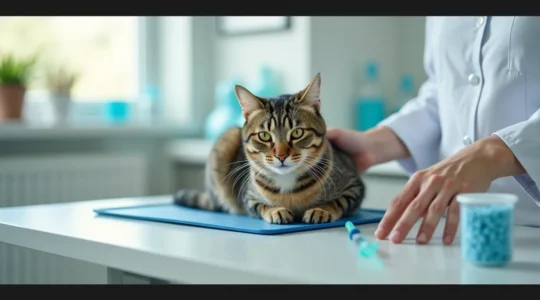
How to Collect a Sterile Urine Sample at Home Without Stressing Your Pet?
The dreaded request for a urine sample doesn’t have to end in a costly, stressful vet visit for a needle poke (cystocentesis). You can become a diagnostic partner by learning low-stress, at-home collection techniques that provide a “good enough” sample…
Read more
How to Assess “Quality of Life” for a Senior Pet When the Decline is Gradual
The key to assessing a senior pet’s quality of life isn’t counting ‘good days vs. bad days,’ but becoming a compassionate detective of their gradual decline. Most significant changes aren’t dramatic events but subtle shifts in behavior, mobility, and routine…
Read more
Protecting Your Large Breed Puppy’s Joints: A Structural Guide to Preventing Arthritis
The most effective strategy to prevent canine arthritis is not found in a bottle of supplements, but in architecting your puppy’s growth from day one. Excess weight is the single greatest multiplier of joint stress; managing caloric intake is more…
Read more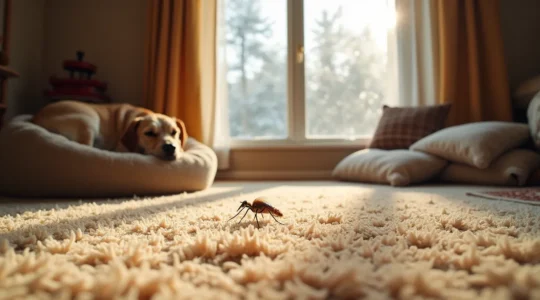
Why Stopping Flea Prevention in Winter Leads to Home Infestations by Spring?
Skipping your pet’s winter flea treatment is a classic example of false economy that almost guarantees a more expensive and stressful infestation by spring. The vast majority (95%) of a flea population isn’t on your pet; it’s an accumulating “environmental…
Read more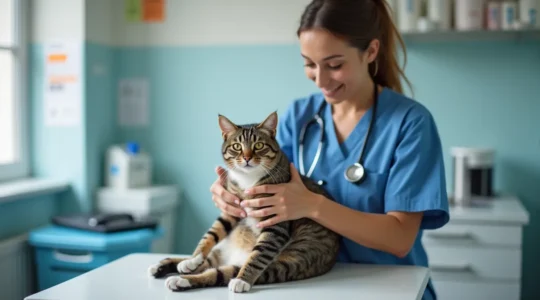
Core Vaccinations for Indoor Pets: What’s Legally Required vs. Medically Necessary?
Contrary to popular belief, an “indoor-only” lifestyle does not grant a pet full immunity or a pass on all vaccinations. Legal mandates, particularly for Rabies, are often non-negotiable and based on public health law, not your pet’s individual exposure risk….
Read more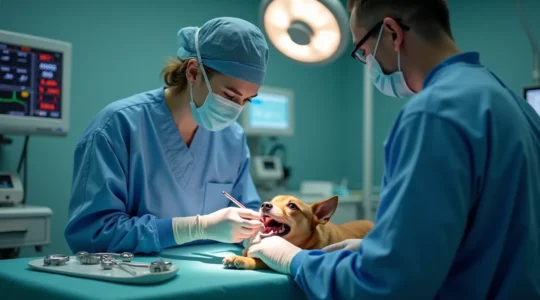
Why Anesthesia-Free Dental Cleaning Is a Dangerous Myth for Your Pet’s Heart Health
Contrary to the belief that anesthesia-free cleaning is a safer choice, it’s a dangerous myth that masks the true threat to your pet’s life: invisible disease below the gumline. Anesthesia-free procedures only clean the visible tooth surface, leaving the source…
Read more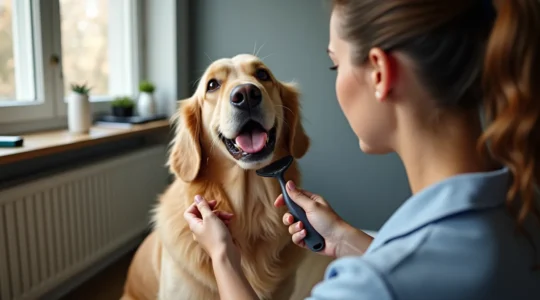
Beyond the Brush: Why Professional Grooming is Non-Negotiable for Your Double-Coated Dog’s Health
Shaving or skipping grooming isn’t saving your double-coated dog from the heat; it’s dismantling their natural health system. The coat is a complex dermal-respiratory system that requires mechanical clearing, not removal, to function. Matting is a medical emergency in waiting,…
Read more