Principles of pet care and animal guardianship

Fundamentals of veterinary services and daily pet care


Decoding animal behavior and body language signals
Pets communicate through calming signals, vocalizations, and chemical pheromones that reveal their emotional state and intent during social interactions.

Canine posture and body language
A tucked tail or flattened ears indicate fear or submission, whereas a stiff posture suggests heightened alertness or potential defensive aggression.

Vocalization patterns and tone
High-pitched whining signals separation anxiety or excitement, while low-frequency growling serves as a clear warning to respect boundaries immediately.

Environmental stress triggers
Thunderstorms, sudden movements, or lack of safe crates can trigger noise phobia, manifesting as destructive chewing or excessive barking.
Pet nutrition and dietary planning
Providing balanced dog or cat food involves adjusting macronutrients to support metabolic functions, immune health, and growth stages throughout the animal’s life cycle.

High quality protein sources
Real meat proteins provide essential amino acids necessary for muscle development, enzymatic function, and maintaining robust energy levels daily.

Essential fatty acid integration
Fish oil supplements promote healthy skin, a shiny coat, and cognitive health, particularly in senior pets requiring joint mobility support.

Hydration and kidney support
Water fountains aid digestion and thermoregulation, preventing kidney disease and urinary tract infections common in exclusive dry kibble diets.
Essential pet accessories for safety and comfort
Selecting durable pet gear goes beyond aesthetics; it impacts animal safety. Ergonomic accessories prevent injury during daily walks and ensure containment solutions remain secure without causing stress or restricting natural movement during exploration.



Global standards for ethical animal welfare


Cognitive enrichment strategies
Rotating chew toys and introducing scent work consistently prevents boredom, reducing the likelihood of stereotypic behaviors in confined spaces.
Controlled socialization needs
Exposure to urban stimuli and other animals builds confidence and reduces fear reactivity, helping pets adapt to unpredictable environments and interact with unfamiliar situations.

Veterinary medical ethics
Pain management protocols must be applied during veterinary surgeries to prevent unnecessary suffering and post-operative trauma.
Environmental enrichment for animal wellbeing
A static environment leads to boredom; therefore, modifying indoor spaces to include vertical territory and hiding spots creates necessary mental engagement.
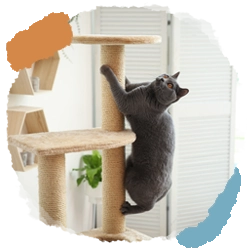
Vertical space utilization
Cat trees and wall shelves allow felines to observe their territory from above, increasing their sense of security.

Olfactory mental stimulation
Scent walks allow dogs to process sensory information, engaging their primary sense for healthy mental fatigue.
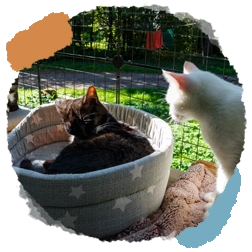
Secure outdoor access
Outdoor enclosures or catios provide safe exposure to fresh air and visual stimuli without risking traffic accidents.
Building a legacy of compassionate stewardship
